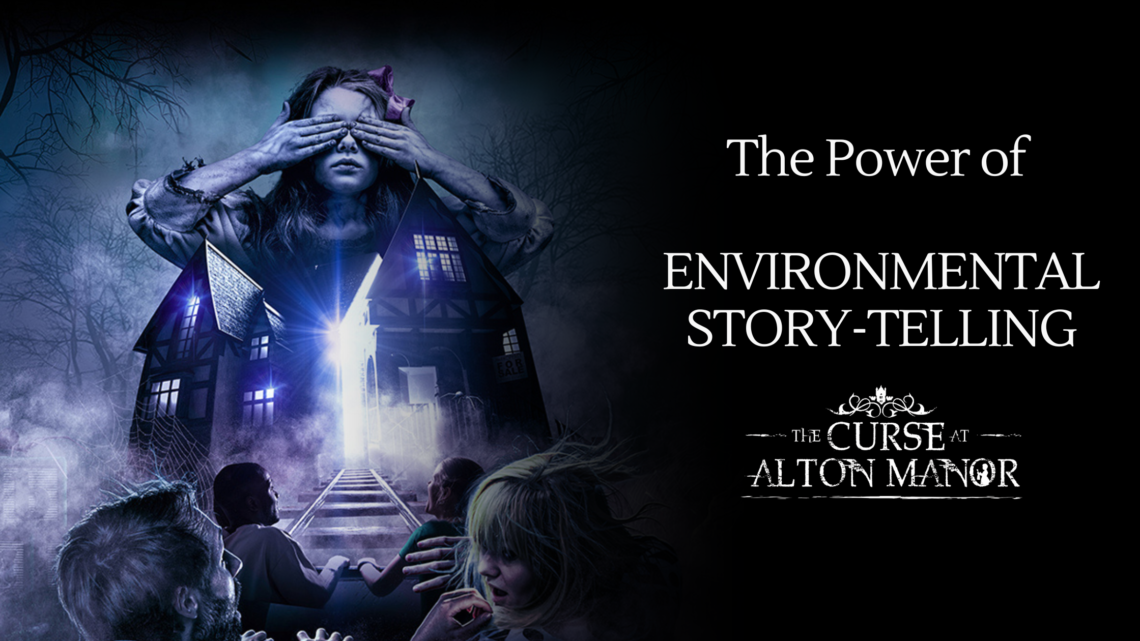
Curse at Alton Manor: The Power of Environmental Story-telling
Some stories live on a page; some are experienced in the queue of a theme park ride. Welcome to Story Mode.
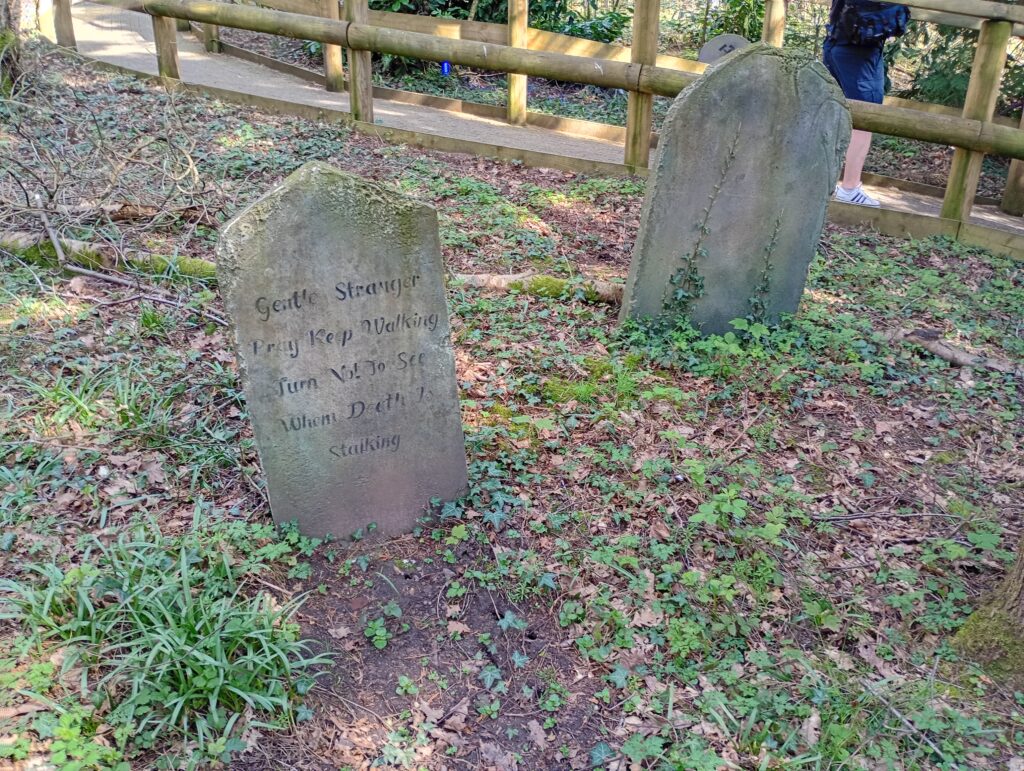
Theme parks are often dismissed as pure spectacle, a smorgasbord of bright lights, adrenaline and noise. But sometimes a ride comes along that offers an unforgettable story. The Curse at Alton Manor is one of those rides. Now, this ride is not without its faults (and those who have read my post on themeparkutopia will be well aware of my thoughts on the technical aspects), but if you look closely, it offers one of the best examples of environmental story-telling done with precision, restraint and a deliciously haunted flair. It isn’t just a ride, it’s a tragic tale of neglect and despair told through props, sounds and (usually) spine-chilling practical effects.
The Tragedy of a Forgotten Child
At the heart of the ride is Emily Alton, once a background character of the original Haunted House ride now brought to the forefront as its primary antagonist. But as we learn, the evil corrupting her heart was born of cruel, neglectful parents who wholly subscribe to the belief that children should be seen and not heard. The narrative is simple, but potent: a girl ignored becomes a girl consumed, and the home that should have protected her becomes the thing that traps her.
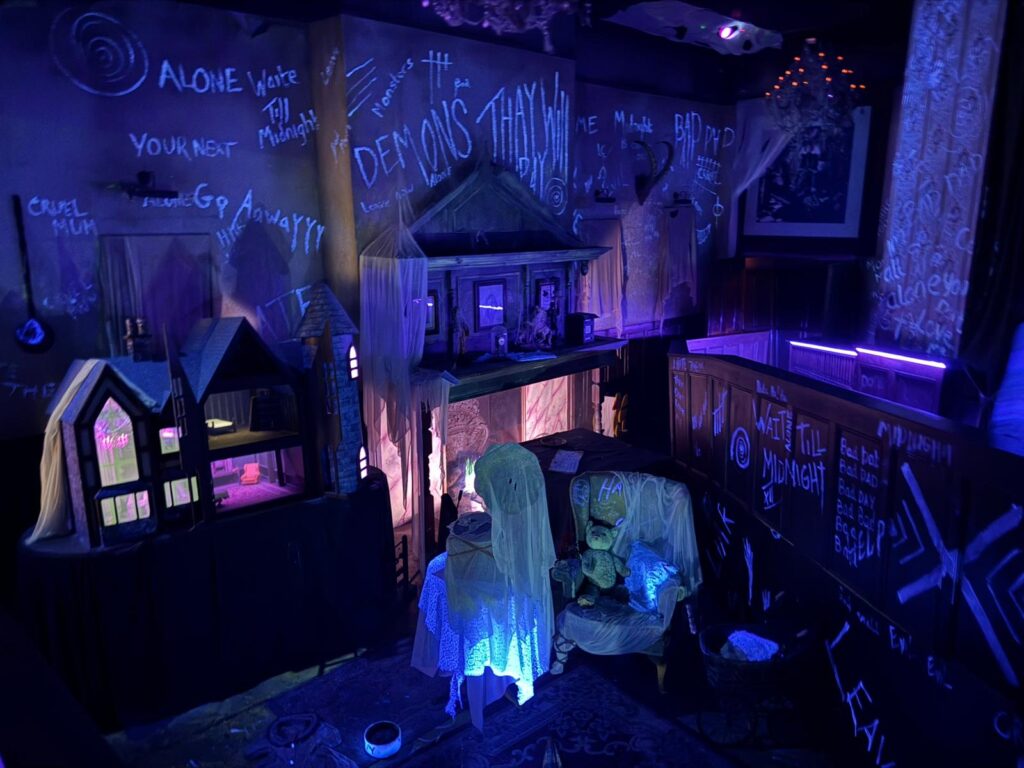
Her story is scattered like broken toys across the woods, the queue line and the ride itself. Although we see in her tiny doll house how the tragic events of 1891 unfolded, it is never fully explained why it happened. What was the supernatural power that possessed this little girl? Was it a demon drawn to her loneliness, or her own rage given devastating power? The answer is never fully given and it is left to the guests to make their own conclusions.
A House long abandoned
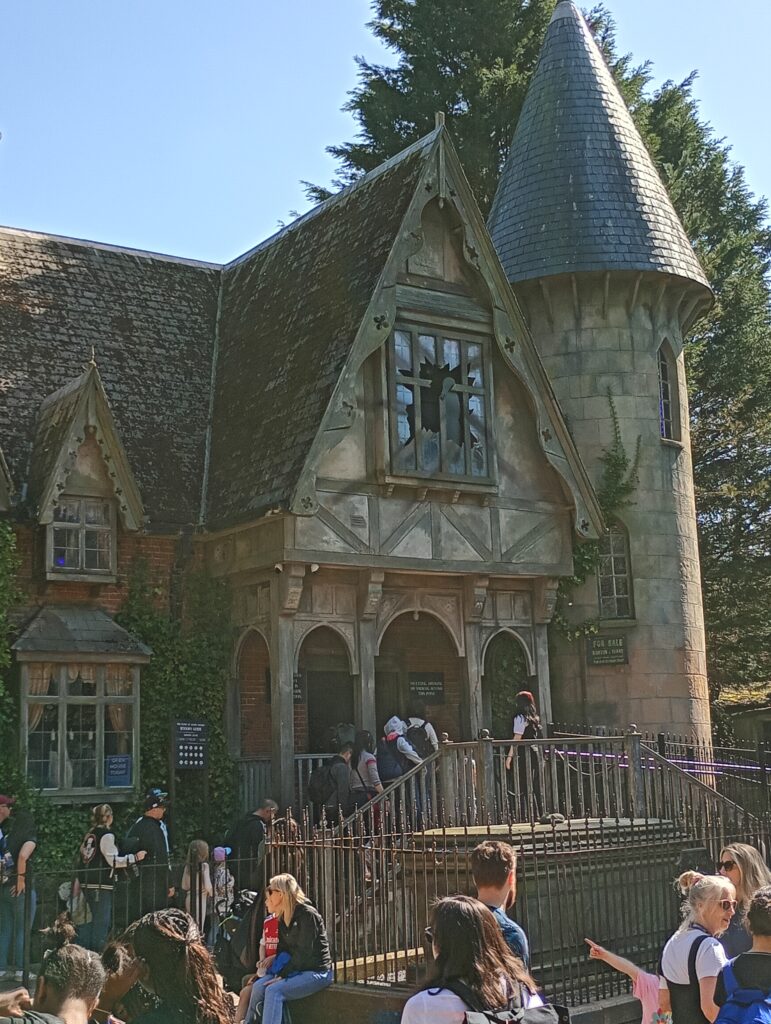
The outer facade of Alton Manor is a masterclass in environmental story-telling. Hidden in the depths of the Gloomy Wood, its dark and derelict exterior at once gives the impression of abandonment. The gardens are overgrown, the windows are broken and a strange silhouette looks down at you from the top of the house. Nothing jumps out at you. Nothing screams. It just waits.
The chilling mood continues into the queue line. In addition to the amusing references to past “dead” rides, you will find abandoned tea parties, spooky dolls with empty eyes, and the sound of a music box filling the air with a faint mist. This house isn’t just empty; it has been abandoned. Forgotten. When we finally get to the front door, the estate auction boards and repossession notices reinforce the narrative by wrapping it in bureaucracy and paperwork, tying it neatly to the real world.
This is environmental exposition at its most effective. The dread of what might be inside is more powerful than anything shown outright.
A House filled with Rage
The impact of Emily’s story is reflected in the props and effects throughout the ride. Her father’s harsh words echo from the walls, distorted by the little girl’s impressionable memory, and family portraits are slashed and twisted, effectively conveying the grudge Emily still holds. The ill-fated guests of the New Year’s Eve party still sit in the dining hall, their skeletal remains pulsing with strange light as though their trapped souls are struggling to be free. Emily’s toys are scattered throughout the estate, her child-like voice edged with bitterness as she describes her “perfect family” of puppets and filled with anger and desperation as the riders escape her grasp.
All of these elements tell a heart-breaking tale: underneath all the grotesque imagery and jump-scares is a little girl who is scared of being alone.
What writers can learn from Curse at Alton Manor
Theme park storytelling is a treasure trove for writers, especially in gothic and fantasy genres. Alton Manor demonstrates that:
- Atmosphere is key – craft the mood and maintain it throughout.
- Items can be narrative – a single broken window can tell a story.
- Rooms can become emotional landscapes, whether it’s a dusty attic or a derelict ballroom.
- Horror is most powerful when it’s rooted in emotions – the curse doesn’t exist for the sake of it. It is loneliness made monstrous.
Final Thoughts: A House That Remembers You
The Curse at Alton Manor is my least favourite ride at Alton Towers, but I struggled for a long time to understand why I was so fixated on it. Then I began to understand why it lingers with me – because it feels personal. It’s not just a haunted house ride. It’s a story about loneliness, neglect and the way a place can absorb the emotions of the people who lived there. When you leave, the manor doesn’t feel finished with you. There are more corners to explore, more shadows to peer into, more clues to gather to build a full picture of the haunted tale. A tale that exists fully formed, hidden just out of sight in the environment around you.
And that’s the mark of great storytelling in any medium.
Want to read my review of The Curse at Alton Manor? Head over to Theme Park Utopia and, while you’re there, check out some more in-depth reviews and the latest news on rides in the UK and beyond!

One Comment
Theme Park Utopia
It’s always good to see theme park-related content expanding to other outlets! Thank you for the review of The Curse at Alton Manor on Theme Park Utopia; now you need to get yourself back to Disneyland Paris and bring us your latest thoughts on the superior attraction – Phantom Manor!